
Process of Liberation
PROCESS OF LIBERATION
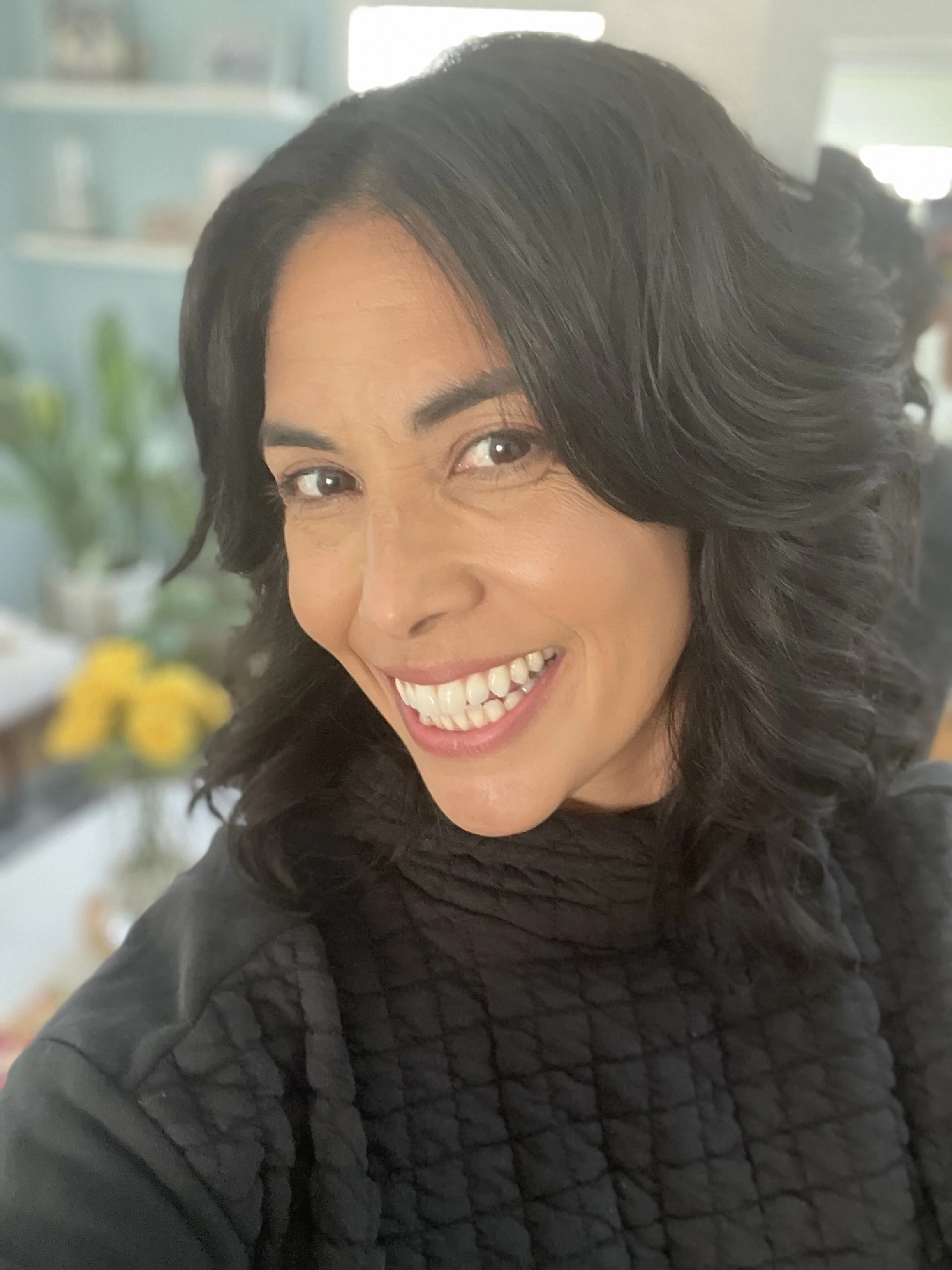
BY Monique Ortega Guyot
She wants to talk about what it means to feel chained before she talks about her freedom to feel joy. Today, she speaks as an older Chicanx mother, teacher, and lifelong learner. Before she can talk about joy, she knows her students and community must face the paradox of “dark suffering”—the feeling of being hidden and seen at the same time. By connecting her past to the effects of subjugation, she wants to be honest about her journey toward joy. She grew up in California as a brown girl moving in, out, through, around, and in between spaces, feeling trapped by the systems of oppression that often lurk in the corners of schools. As she sits here, scanning the words she types of intersections connected to the youth in the community, her heart races. But, please do not fret. There is a light at the end of the tunnel that will guide us through the darkness. With each word she writes, more sun rays peek through the dense fog that overlooks the Bay. What matters is that this “dark suffering” has begun to set her free. In fact, it is “dark suffering” that has led her to “Joy” as she helps others find liberation.
Let her explain…
Words like eradicate, extinguish, or remove come to mind as she listens to the untold histories of her students. Their stories of “dark suffering” are not unlike hers. Yet, here is where joy shines over her. She is highly aware that through the process of sharing their stories, they are closer to joy. With each story comes healing. It is like each story is a piece of yarn, and when our elders weave them together, they create a beautiful Northern Mexican serape—a shawl that keeps us warm and comforts us during hard times. By writing down her own stories alongside theirs, she has realized that racism, sexism, and classism are embedded in schools. They will continue to exist, but her joy comes from others who understand how “dark suffering” can be used as a tool for “joy of liberation”.
“Their stories of “dark suffering” are not unlike hers. Yet, here is where joy shines over her. She is highly aware that through the process of sharing their stories, they are closer to joy. ”
For her, it is about “collective” resistance with patients, because one never knows when a student will be able to realize their own story in order to break free the chains of oppression to lean towards liberation! In the end, it is about stepping into knowledge that is not her own, and challenging what she knows to be true. She puts this understanding into practice by finding small ways to restore students’ dignity and show they matter— like pronouncing their names correctly, bringing their lives into the classroom, and using stories to connect. This is everyday joy: listening, sharing, writing, and reading stories of honesty and sincerity. These stories can break chains, bring joy, and uplift the whole community. This is everyday “JOY OF LIBERATION”!