
Where We Belong
Where We Belong
BY Melisa Yuriar
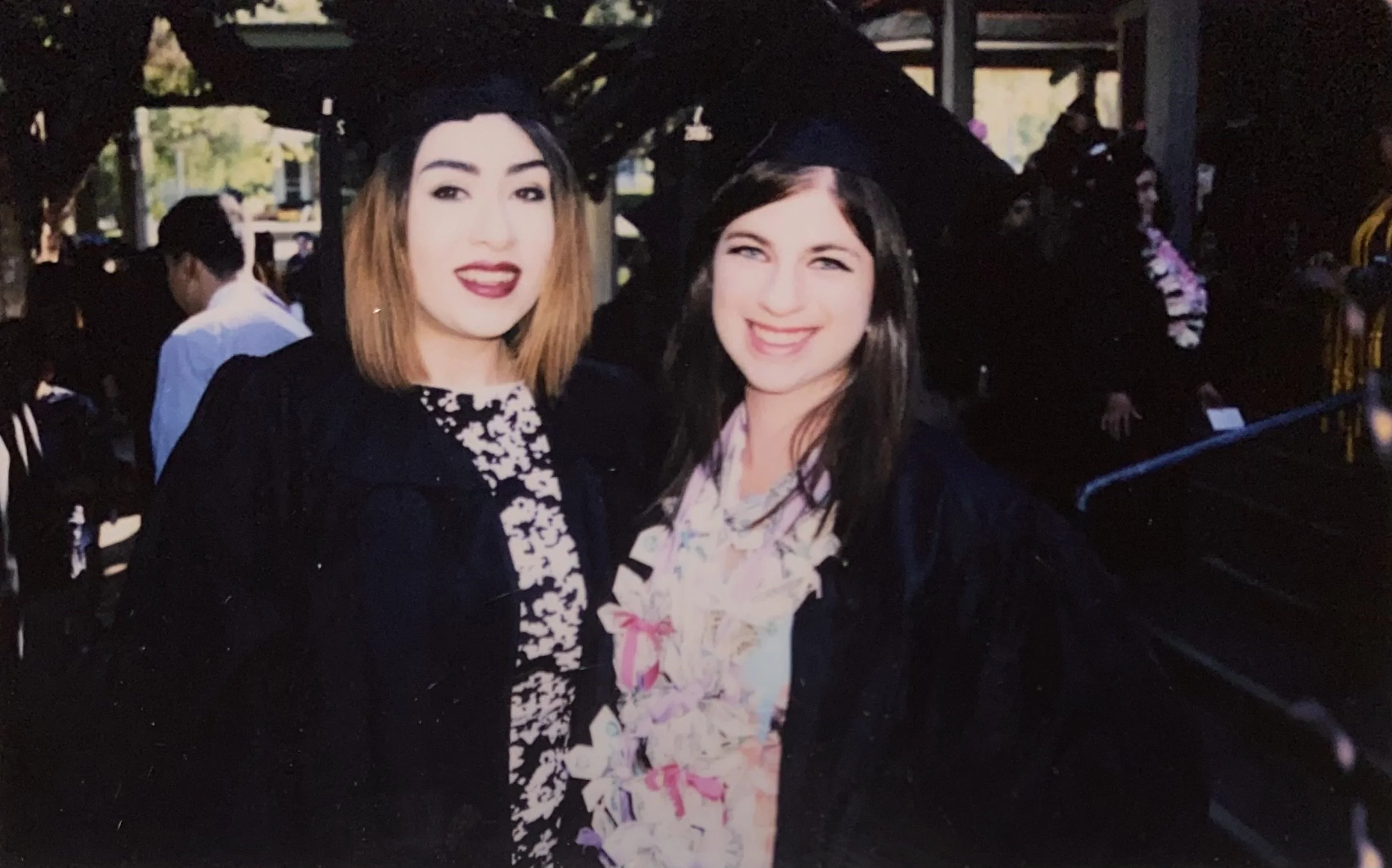
In 2011, I was one of those students who arrived at the National Hispanic University on the Eastside of San José, straight out of high school. I remember the small, bright classrooms, the bilingual flyers, and the sense that my professors—and the people in charge—saw me. It was a place built for students like me: first-generation Latinos navigating a world that didn’t always make space for us.
Founded in 1981, NHU’s mission was simple but profound: to provide a culturally sensitive environment where Latino students could thrive. It was the equivalent of an HBCU for our community—creating classrooms where we weren’t just another face in a lecture hall, but individuals with histories, dreams, and challenges that mattered. When it closed in 2015, it wasn’t just a university shutting its doors; it was a place of dignity, of belonging, lost.
The closure stunned both students and faculty. Many of us had trusted that NHU would be a bridge between our college dreams and our career aspirations. For students who were not on a college track, NHU had created an extraordinary, welcoming space where their potential was recognized, nurtured, and celebrated. Its absence reminds us that access to education isn’t just about tuition or technology—it’s about being seen and valued.
Growing up in San José and later attending San José State University, I saw how rare culturally grounded spaces like NHU are. At San José State, I, along with my fellow bilingual peers, helped carry the torch for El Espartano Noticias, a Spanish student-run publication. Many of my peers have gone on to produce bilingual reports and newscasts for several renowned publications and news organizations in the Bay Area and beyond.
“As a journalist covering arts and culture across San José and Silicon Valley, I still see the same patterns: funding and attention continue to follow mainstream narratives and prioritize tech-first projects, while real spaces for community, culture, and equity must be fought for, built, or reclaimed. ”
As a journalist covering arts and culture across San José and Silicon Valley, I still see the same patterns: funding and attention continue to follow mainstream narratives and prioritize tech-first projects, while real spaces for community, culture, and equity must be fought for, built, or reclaimed.
In education, dignity is about more than graduation rates. It’s about being recognized, having your identity respected, and being offered the tools to thrive. NHU gave us that. Its story, and the stories of the students who walked its halls—engineers, teachers, social workers, scientists, journalists—remind us that belonging isn’t automatic. It must be cultivated, protected, and passed on, story by story.
And every story we amplify is a classroom, a space of dignity. When institutions fail to provide it, it is our responsibility to create it—and to ensure that the next generation finds a place where they, too, can belong.