
Tools for Resistance
Tools for ResistAnce
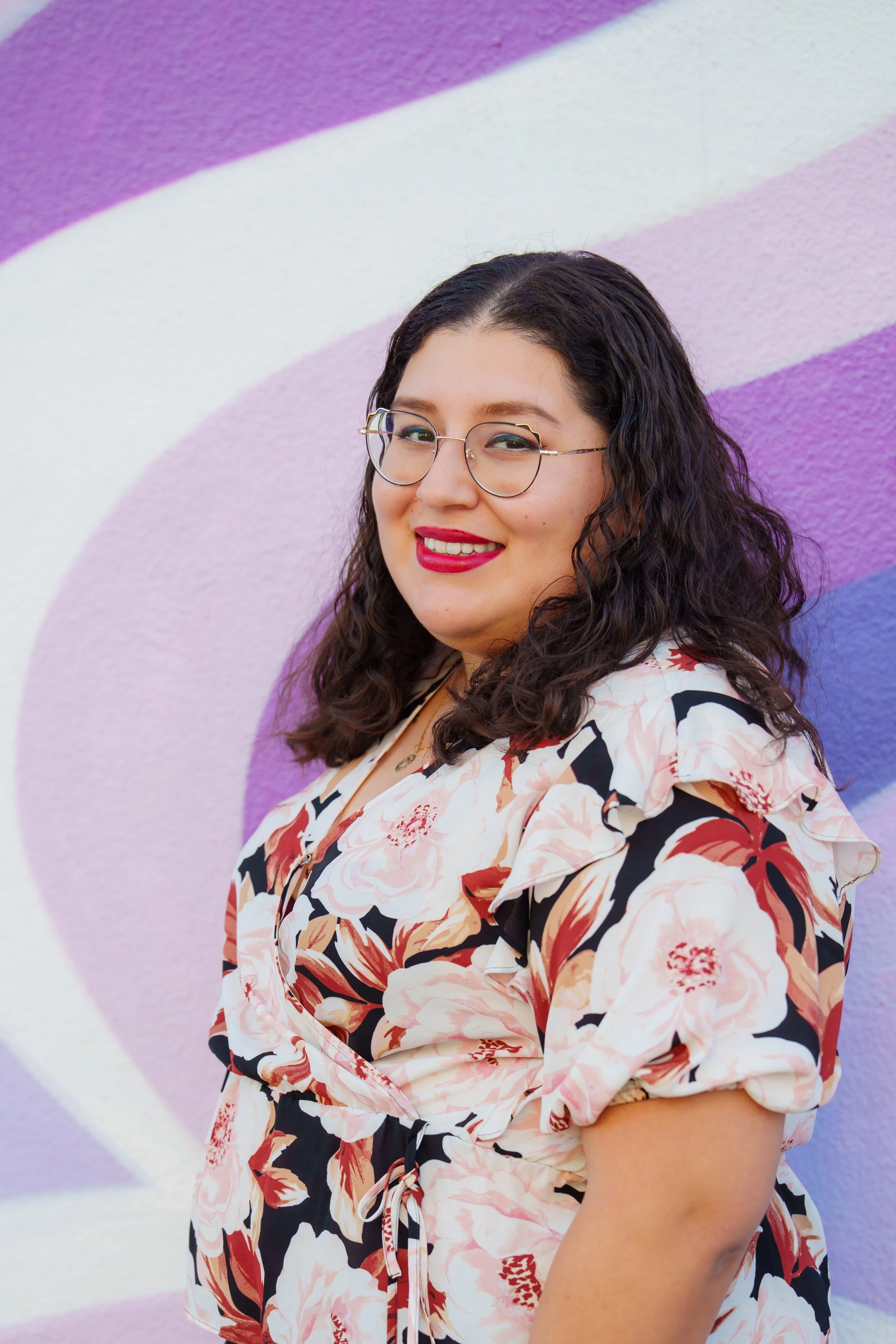
BY SENDY TAPIA
I dream with a pen in hand, a keyboard beneath my thumbs, a microphone nearby, under the cloudless night skies. What stories will emerge from my mind when I close my eyes tonight? What narratives do I tell myself to keep me awake at work?
What I seek is not commonly discussed because I am tucked away in my cubicle while mi raza labors away the day. I wonder what our construction workers tell themselves to dismiss the aches in their bodies. Or if the street vendors use humor to distract themselves from the unforgiving summer sun. I sit extra still, hoping to catch the hushed voices of the cleaning ladies sharing ancestral wisdom with each other. I often reflect on my youth under the cherry trees, carrying a cooler filled with ice and refreshments to make a quick buck in the orchards—if only I could go back and pluck the headphones off Sendy’s preteen head and tell her: escucha, mija, escucha los cuéntos que se pierden en el viento. Memories of a home most can no longer return to; of a people who long for their familiar communities as much as they long for their distant home, and so they hope. Lost youth and innocence; unrepairable relationships withering in the shadows of absence—a longing for simpler times. Stories I no longer hear about after moving away for college and residing in the urbanized roadways of capitalist oppression. I made it out of the orchards, but what did it cost?
I call home every week, because I am a good daughter—I hope I am. “¿Qué hacen?” I ask my mom, anticipating her latest adventures with my dad. “Cuéntame todo,” I wish I could say.
The snippets of her life are enough to keep me from crying. I don’t want to hear about how AI-powered robotics is slowly but surely replacing her in an agriculture job, but it’s the truth. My soul aches while listening about the latest doctor visits because I am too far away to take them myself or translate as I once did.
“Cuéntame sus sueños,” I want to plea, but I bite my lip instead. I can’t—we don’t have that type of relationship. The kind held together by love but separated by a lifetime of experiences harsher than the one they gave me. They, like many immigrant parents, leaned into the American Dream for a better future, one that would give my siblings and me an opportunity with little to no room for error—a culture that takes one look at my softened hands and condemns me to the label of chillona. I can’t help it; empathy is the best my ancestors could give me to heal our familial trauma. It is with this empathy that I hold space for the things I cannot bring myself to say.
How many other first-generation children feel the same way? How many struggle to say what they feel without the hard lump of desconexión blocking their voice? How can we bring out the aspirations de la raza as a way to heal the collective struggle we endure from a colonial power?
“Tú sola no puedes cambiar el mundo.” My mother said to me the first time I couldn’t hold back the tears and broke down over the phone.
“Mírame, Ama. Mírame cambiar el mundo para ti porque tú me diste la oportunidad de hacerlo.” Is what I wanted to say.
“Mírame, Ama. Mírame cambiar el mundo para ti porque tú me diste la oportunidad de hacerlo.” Is what I wanted to say. ”
And yet, I know she’s just glad I call every week. I know she sees me accomplish things she may never have imagined.
What other things do our people never get to imagine? A career? A livelihood? Safety? Comfort? Accomplishment? I dream about the things I’d hear from the backbone of this economy.
Oh, to bring a smile to their faces with a mini microphone and simply ask, “Cuéntame sus sueños. Cuéntame sobre sus aventuras. Sus ambiciones—sus raíces y recuerdos.”
I imagine echoes of dreams so sweet, so pure, that lost innocence is returned. Relationships are mended by speaking loving words to the universe. And simpler times are remembered and honored one more time. What would tomorrow look like if everyone had the equitable opportunity to pursue their passions? This recurring daydream in the back of my mind is of the collective liberation from colonial oppression and capitalist exploitation. Completely destroyed and rebuilt with the ultimate good at the center; humanity first. One where everyone has access to childcare, healthcare, education, housing, fresh water, and local produce.
The anger boiling within when reading the dominant narratives controlling the mass perception of mi raza fuels what I could only label as ancestral rage. “La vida da muchas vueltas,” I hear my father’s wisdom speak, and yet I’m supposed to suppress the anger? So much sacrificed for a chance to have a better life. So much community and culture lost between the imaginary border dividing what was once Aztlán. So much injustice endured because “keeping your head down” was a means to survive in a colonized society.
Neo-colonial oppression exists in this lifetime, so I can persist. Angrily. Ambitiously. Resilient. “Porqué así criaste a tu hija, Apa.” Always asking why, always thinking—always dreaming.
An African proverb emerges periodically from the depths of my subconscious: "Until the lion learns to write, every story will glorify the hunter." And under a colonial power that stripped the literature from Indigenous hands to burn and manipulate them, we are overdue for revolution. One that validates our lived experience as expertise. One guided by the wisdom of Indigenous traditions—cuéntos. Reclaiming our narratives and controlling how and who shares what and why is a challenge to the massively misappropriated dominant narrative. Our voice is a tool for resistance. Our stories are the key to imagining a better and brighter tomorrow for our parents, our children, and for us.
My passion lies not in changing the world, but rather, helping others see their worth through an ecosystem of shared experiences and dreams. With a pen in hand, a keyboard beneath my thumbs, or a microphone turned on—I may not change the world, but I can equip people with the tools to change theirs, un cuénto a la vez.
Ōmeteōtl.