
And What Of Our Children
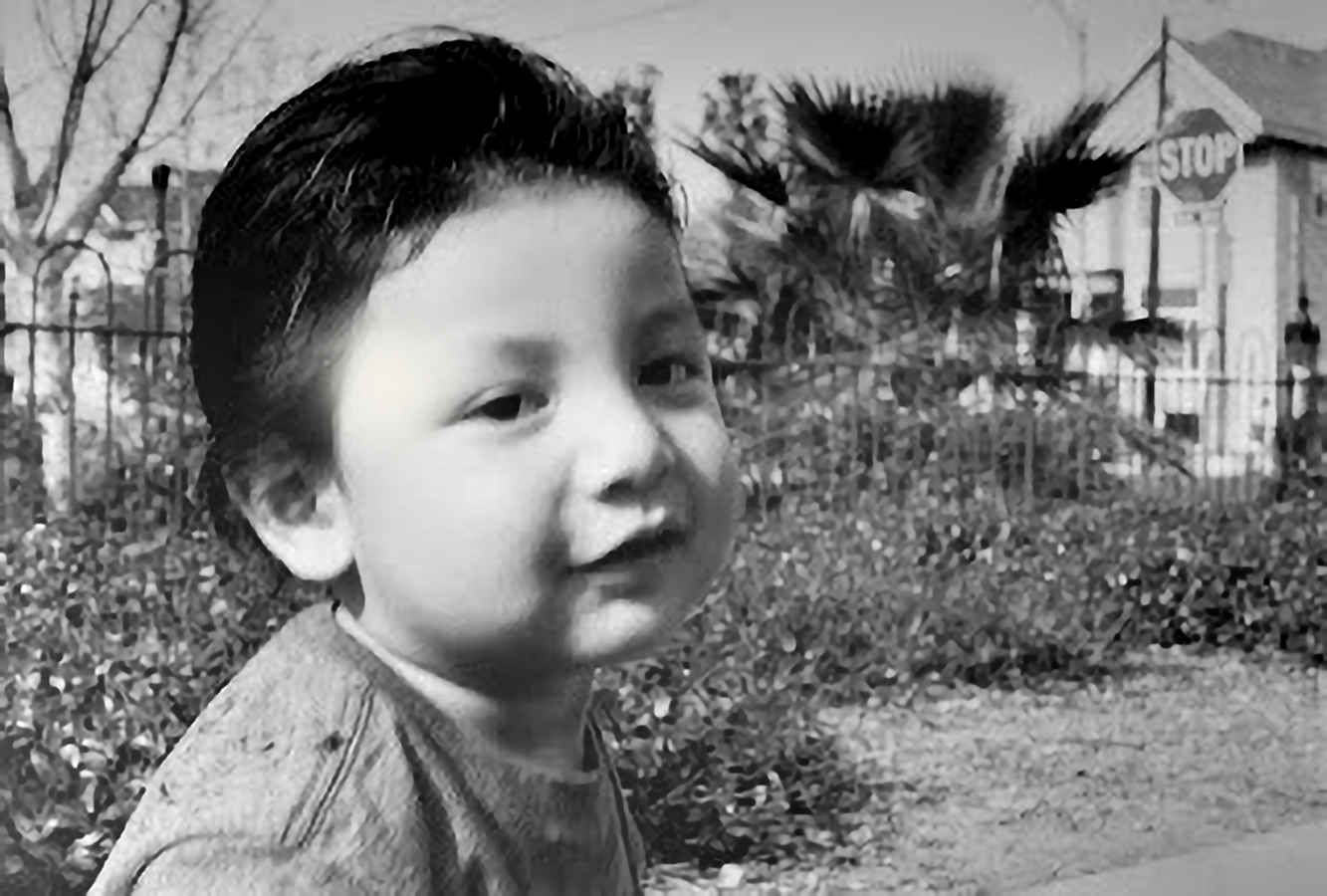
And What of Our Children?
BY Rosanna Alvarez
I once learned that in some cultures, the first question asked is simple: “How are the children?”
As this moment unfolds, I return to that question.
In recent days, I have been sitting in grief alongside other women and survivors, not for the loss of César Chávez as a figure, but for what this moment has shaken loose. It has brought to the surface long-held silences, the ways we move quickly to defend legacy and men while too often meeting women with suspicion, doubt, or outright dismissal. We know this pattern. We have lived it, and still, even as that grief demands our attention, mine keeps shifting, moving through each pocket of our communities, not linearly but relationally, from elders, to women, beyond men grieving this loss, to those who have long tended to our campos, and always back to the children.
Our children have been taught to honor Chávez as a symbol of justice. Who have marched in his name, colored his image in classrooms, and learned story after story about dignity, sacrifice, and collective struggle, a narrative that has shaped how they understand fairness, courage, and what it means to stand up for others. The marches and celebrations have been canceled, and I keep asking, how are the children?
Across California, institutions are moving quickly in response to renewed scrutiny of Chávez’s legacy. Books are being removed. Murals are being altered or taken down. Public spaces are being renamed. Swift action, urgent response. But what would it take for this moment to feel like care? What would it look like to move at a pace that allows for understanding, not just reaction?
“Public spaces are being renamed. Swift action, urgent response. But what would it take for this moment to feel like care? What would it look like to move at a pace that allows for understanding, not just reaction?”
While institutions act swiftly, something quieter is unfolding in our classrooms and in our homes, in the pauses and questions that linger, in the way young people look to us to make sense of the world. What are we conveying to them?
In this complicated and necessary reckoning, institutions are responding quickly, but that speed has outpaced our ability to help young people understand what this shift means. Children and youth do not experience these changes as policy. They experience them as disruptions in meaning. They are being asked to reconcile admiration with harm, often without the tools or space to do so.
For teenagers and young adults, this disruption lands at a formative moment, when identity, values, and a sense of justice are still taking shape. In a time already marked by uncertainty, the unraveling of a figure they were taught to trust can feel more than disorienting. The impact of this does not resolve on its own. Without care, young people are left to carry that rupture alone, making sense of it without guidance, and sometimes without language.
So, what does it mean to lose a hero when so many are searching for something to believe in? What does it mean to watch in real time as our youth witness their elders unravel through their grief? In moments like this, it is easy to default to silence, to move past discomfort and avoid the conversation, telling ourselves that canceling the marches, foregoing the poster contests, removing a name, or revising a lesson is enough.
But what are our children and youth learning in that silence? What does it teach them about truth, trust, and what can be spoken? Silence is not protection. It is an instruction. Many of us recognize this instinct in our families and communities, in the ways difficult truths are softened, redirected, or left unspoken. If we are not careful, we will repeat that pattern here, removing names without replacing meaning, altering the record without holding the weight of what is being revealed. We risk leaving young people with confusion instead of clarity and distance instead of connection.
“But what are our children and youth learning in that silence? What does it teach them about truth, trust, and what can be spoken? Silence is not protection. It is an instruction.”
So what would it take to stay in the conversation? What would it look like to trust young people with complexity instead of shielding them from it? Students are capable of more than we often allow. They can hold contradictions. They can sit with discomfort. They have sparked entire movements.
What might it look like for adults to model how to engage history honestly, to hold both contributions and harms within a single narrative, and to remain committed to justice even when that work becomes uncomfortable?
What does this moment ask of the educators already carrying so much? School leaders and teachers hold classrooms together, support families, navigate limited resources, and show up each day for young people who need care. What would it take to support them in facilitating conversations many adults struggle to have, holding space for complexity, grief, and unanswered questions while still meeting the demands of their work? If we expect them to help guide young people through moments like this, how are we also showing up for them? Where is the march for them?
Especially now, as our communities navigate school closures, funding inequities, and ongoing strain. What is at stake is not only how we remember Chávez, but how young people come to understand justice itself. If we leave them in silence, what will they carry? If we meet them with honesty and care, what becomes possible?
Perhaps they carry a deeper understanding of what it means to stay in a relationship with history, even when it is complicated. Maybe they learn that accountability is not the end of a story, but part of a longer commitment to truth. Perhaps they come to remember that their inheritance is not a single name or figure. It is something much larger: it lives in the fields and beyond, in the stories their families carry, in the resilience moving through our communities. It lives in struggle, but also in innovation, creativity, care, and joy.
In that story, they are the heroes.