
A THIRD PLACE
A THIRD PLACE
By Maricela Guerrero
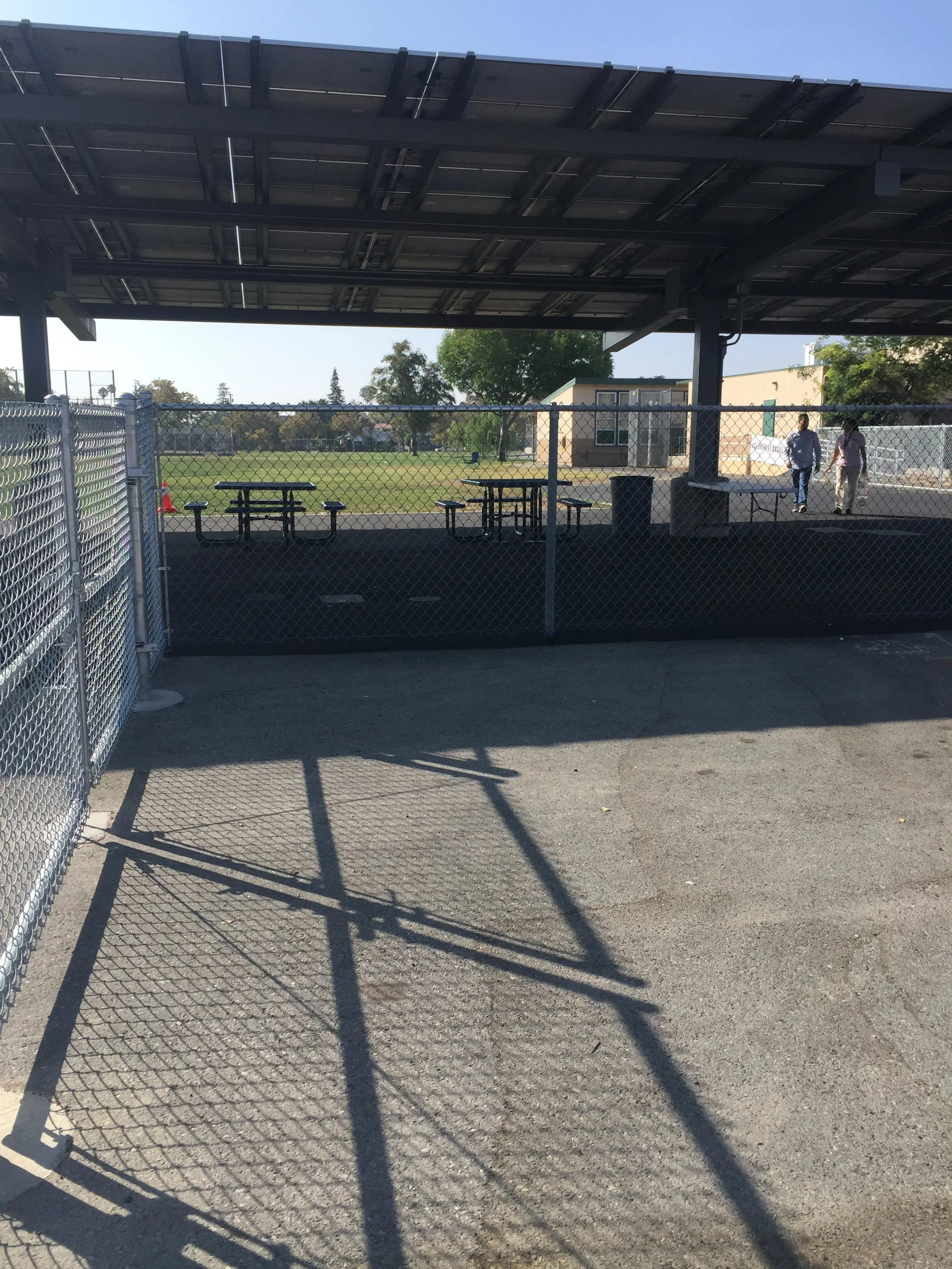
The image of my mom clutching the fence outside my elementary school every morning is etched into my memory. My mom escorted my siblings, cousins, and me to school daily but could never accompany us inside - the school enforced a policy barring parents from entering. Initially, she walked us to school. Later, when we could afford a car, we all piled into her old Monte Carlo, parking right in front of the building. She sat outside the fence, alongside other parents, anxiously watching until she saw us safely enter the school grounds.
At the time, I didn’t think much of it. I recognized the stress my mom endured, but I didn’t fully grasp why - I simply assumed she was being overprotective. Looking back, I understand better. My school’s treatment of my low-income Mexican immigrant mother and parents like her conveyed a lack of trust, respect, and appreciation for parents as partners in their children’s education and development. Their actions suggested that parents were a problem to be managed and not welcomed as partners.
Moreover, I never felt genuinely welcomed at school. It never felt like home. My teachers didn’t know me - they were strangers to my family, history, and home. Five days a week, I spent eight hours in a classroom with teachers unfamiliar with my background.
“Their actions suggested that parents were a problem to be managed and not welcomed as partners.”
